TOOTH EXTRACTION IN BUDAPEST DISTRICT IIIWISDOM TOOTH REMOVAL AND ORAL SURGERY
Tooth Extraction and Wisdom Tooth Removal in Óbuda
When keeping a tooth is no longer possible, careful planning matters.
At Hargitai Dental, Dr. Hargitai Gábor helps decide — based on a personal dental examination — whether tooth extraction, wisdom tooth removal or other oral surgery care is indicated. Our clinic has been operating in Óbuda, Budapest District III, since 1996.
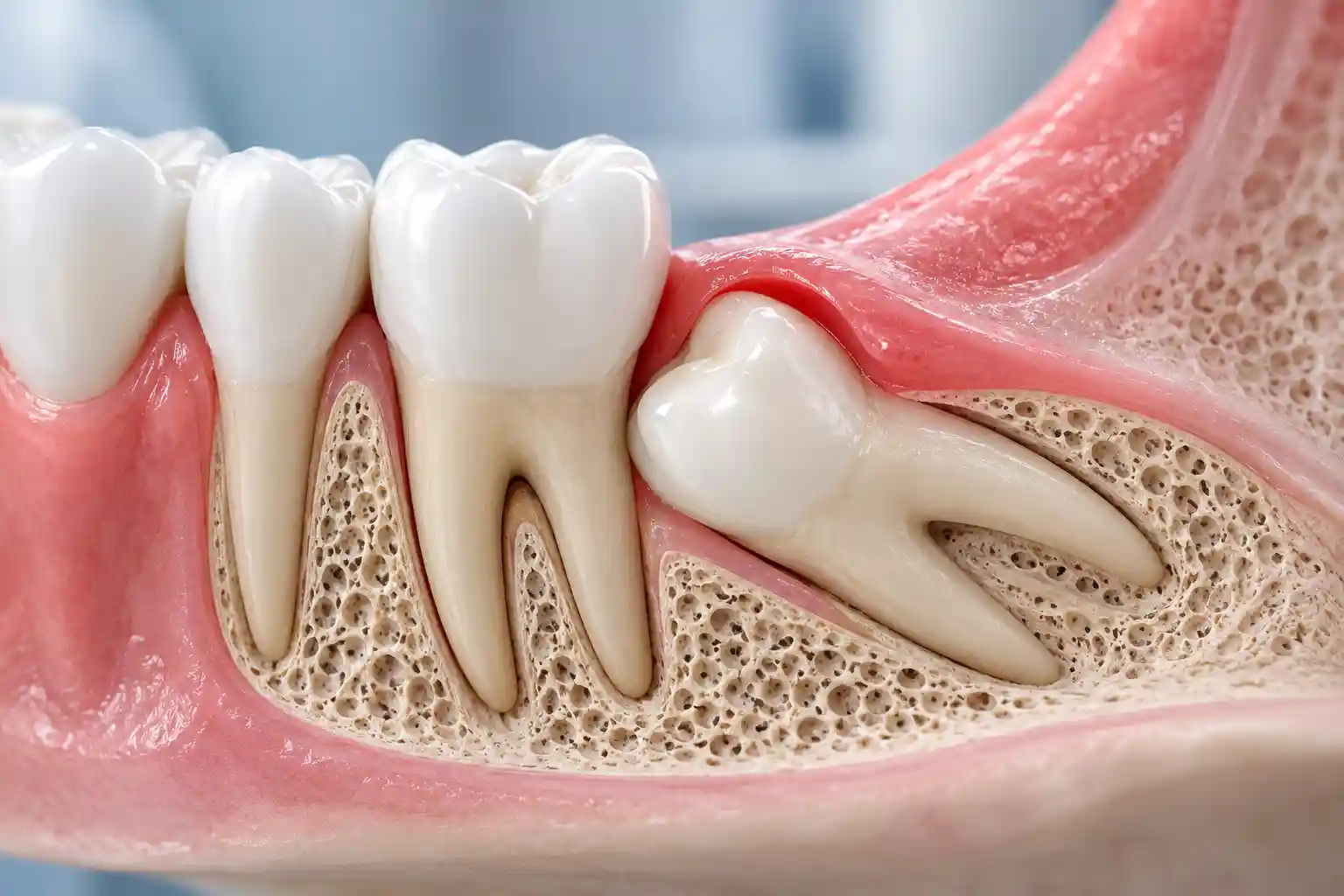
Tooth extraction planned after a personal examination
TOOTH EXTRACTION OR WISDOM TOOTH REMOVAL?
Tooth extraction removes a tooth that cannot be preserved or is causing problems. With wisdom teeth, the position of the tooth and nearby structures needs particular attention; the approach is always selected individually.
TOOTHACHE, DENTAL INJURY, WISDOM TOOTH
When might tooth extraction be necessary?
Severe tooth decay, a fracture, lasting symptoms or an unfavourable wisdom tooth position may make removing the tooth necessary. Extraction is not, however, an automatic first step: we first examine whether a realistic tooth-preserving option exists and whether further diagnostics are needed.
- A tooth so severely damaged or fractured that it cannot be properly restored
- A wisdom tooth causing pain, inflammation or problems for the neighbouring teeth
- A retained tooth root or a more complex situation requiring surgical removal
First we clarify whether the tooth can be preserved
At Hargitai Dental, the decision about treatment is based on the affected tooth, the surrounding tissues and your general health. For wisdom tooth removal, we also weigh the position of the tooth and the possible risks of the procedure.
Request an extraction consultationPersonal examination and individual treatment plan
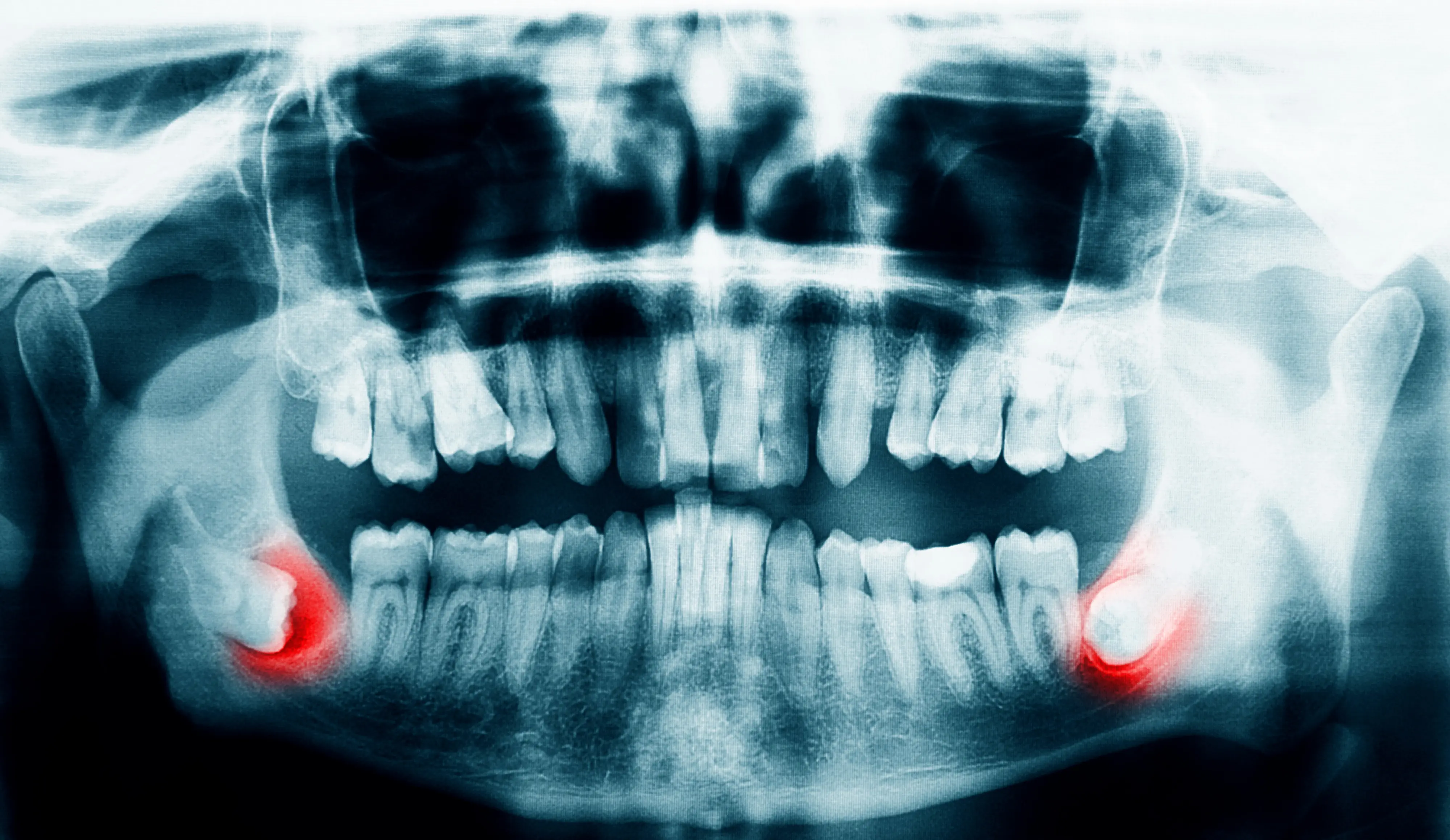
THOROUGH EXAMINATION
Extraction or tooth preservation? An examination is needed to decide.
TOOTH EXTRACTION AND ORAL SURGERY OPTIONS
Simple extraction, wisdom tooth extraction or surgical removal?
The way a tooth is extracted depends on which tooth is affected, its position, how much sound tooth structure remains, and whether inflammatory or other risk factors are present. Conventional removal and surgical removal are not the same; the appropriate procedure is selected based on the examination.
- Simple tooth extraction (extraction) when the tooth is adequately accessible
- Wisdom tooth extraction and wisdom tooth removal when symptoms or another medical indication exist
- Surgical removal of tooth roots for certain retained or hard-to-reach roots
- Individual assessment of more complex wisdom tooth situations; referral to specialist care when needed
- Healing, follow-up and discussion of later prosthetic options after the extraction
Not every wisdom tooth needs to be removed
Removing an asymptomatic wisdom tooth is not automatic. The decision between monitoring and removal can be made based on symptoms, the tooth's position, cleanability and the condition of the neighbouring teeth.

EXTRACTION · WISDOM TOOTH · TOOTH ROOTHargitai Dental
THE PROCESS OF TOOTH EXTRACTION
How does tooth extraction or wisdom tooth removal take place?
Examination, anesthesia, removal, aftercare
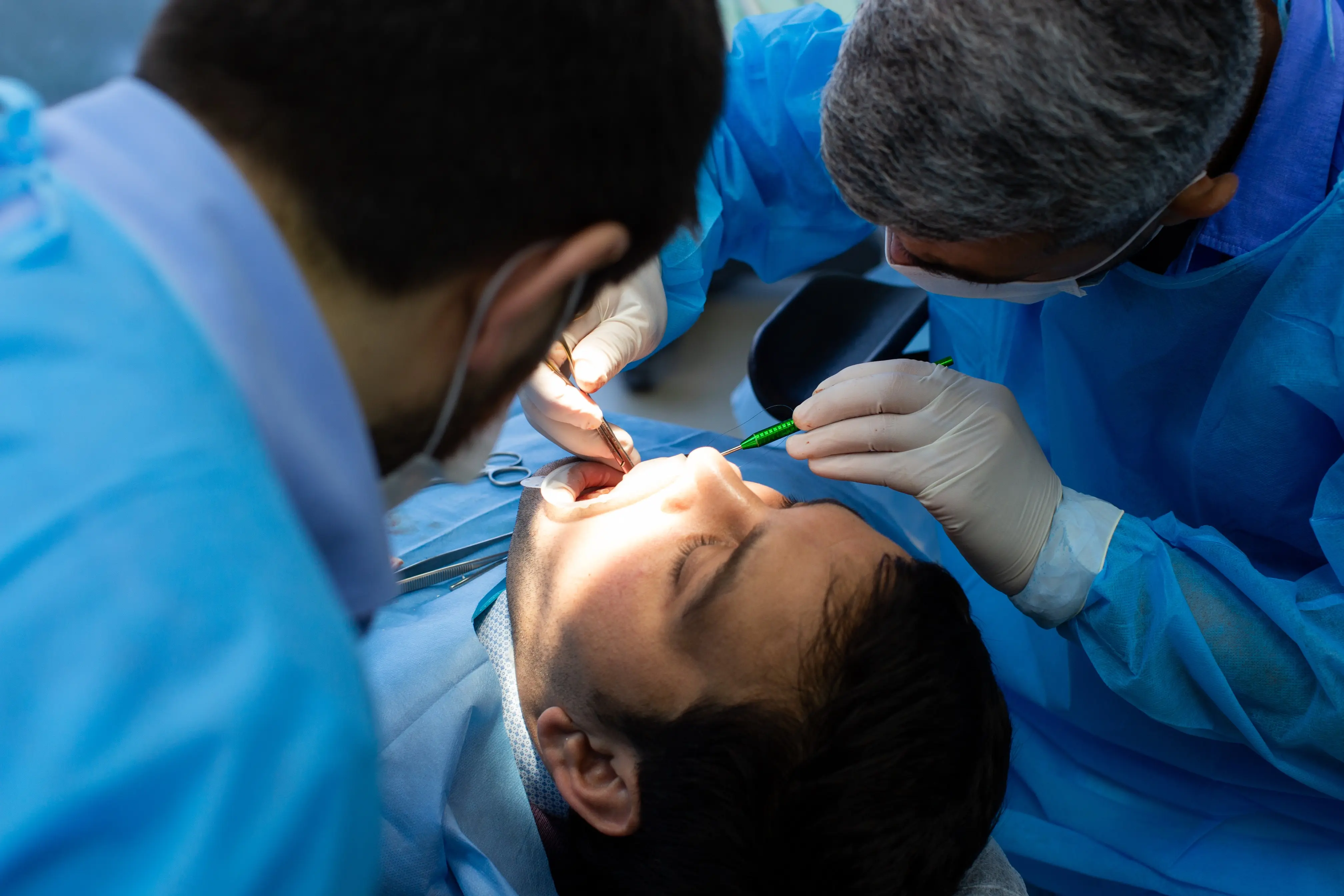
INDIVIDUAL TREATMENT FLOW
Examination · preparation · procedure · follow-up
01
Dental examination and decision
We assess the condition of the tooth and the surrounding area. When needed, further imaging or specialist consultation guides the decision on whether and how to extract the tooth.
02
Preparation and anesthesia
We review your medical history and the medications you take, then apply local anesthesia appropriate to the chosen procedure. The treating dentist explains the steps and the risks.
03
Tooth extraction or surgical removal
Simple extraction and surgical removal are different procedures. For a wisdom tooth, accessibility and the tooth's position also determine what care is possible.
04
Wound care and aftercare
We explain how to protect the wound, oral hygiene, expected symptoms and warning signs. When indicated, a follow-up or suture removal is arranged.
CAREFUL AFTERCARE MATTERS TOO
After tooth extraction: supporting healing
Clear guidance, proper wound care, follow-up
After tooth extraction, the wound needs time to heal, and temporary sensitivity or swelling may occur. Following the dentist's advice, proper cleaning and check-ups when needed are important for healing.
Wound protection and guidance
After the procedure, we explain what to watch for regarding bleeding, wound protection and everyday activities.
Personalized follow-up
Based on the type of removal and individual healing, a follow-up or suture removal may be indicated.
Planning further tooth replacement
If the extracted tooth needs replacing, we discuss the possible solutions after healing.
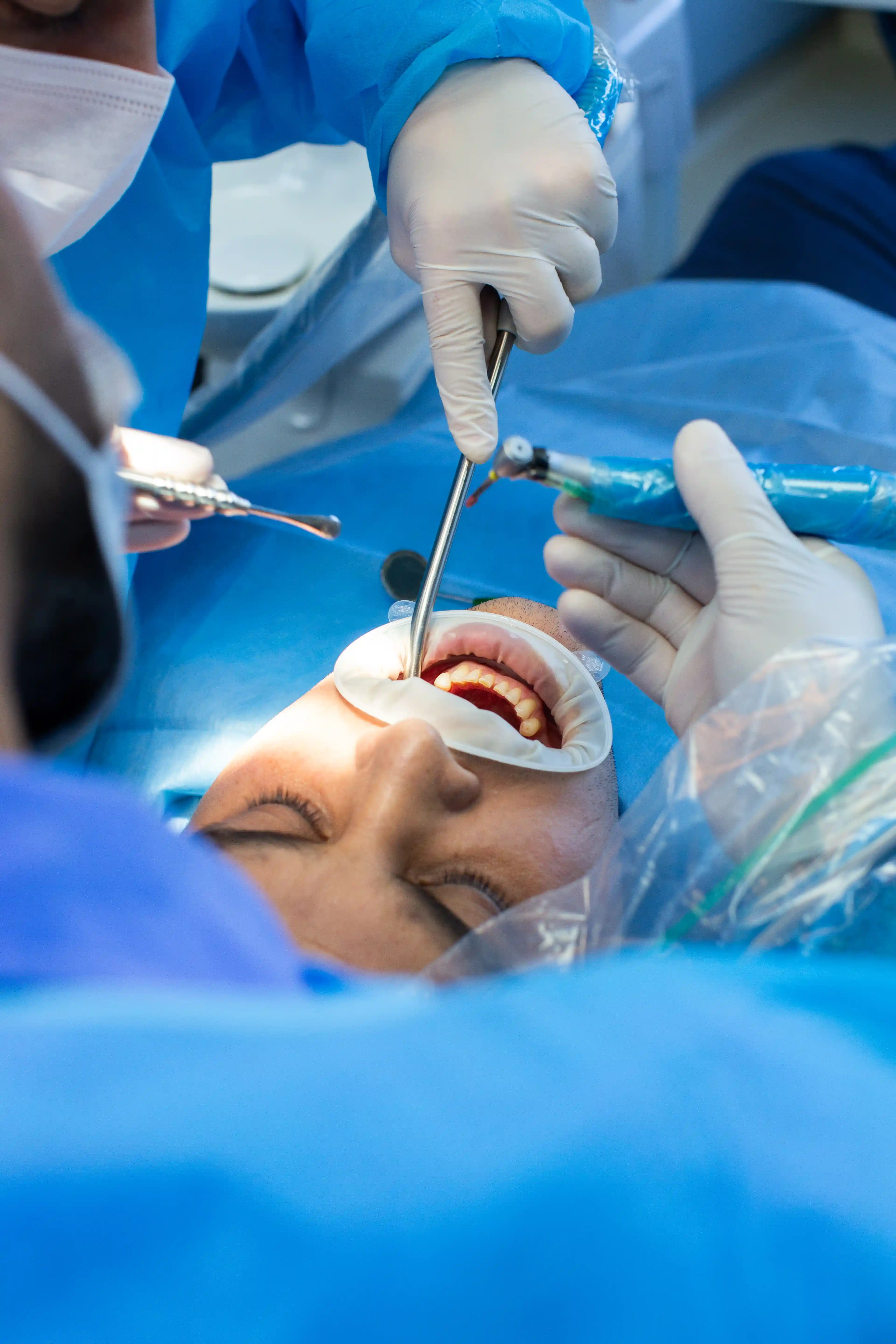
“In a well-planned tooth extraction, the procedure itself is not the only thing that matters: guidance, wound care and the next steps are also part of the care.”
Hargitai Dental
HARGITAI DENTAL – TOOTH EXTRACTION IN ÓBUDA
Why ask Hargitai Dental about tooth extraction?
Tooth-preserving mindset and personal guidance
In Óbuda since 1996
Hargitai Dental has been operating in Budapest District III since 1996. The dental examination and discussion of treatment options take place at our local clinic.
Assessing whether the tooth can be kept
Before extraction, we also weigh whether the tooth can be treated with a filling, root canal treatment or another tooth-preserving procedure.
Understandable treatment plan
Before deciding, we discuss the reason for the extraction or wisdom tooth removal, its expected course, the costs and the aftercare.
TOOTH EXTRACTION IN BUDAPEST DISTRICT III
Tooth extraction and wisdom tooth extraction in Óbuda
Hargitai Dental is located at 1036 Budapest, Evező utca 7. Based on a personal dental examination, we review whether simple tooth extraction, wisdom tooth removal or other oral surgery care is needed.
Related tooth-preserving and prosthetic options
Frequently asked questions about tooth extraction and wisdom tooth removal
The essentials of the extraction process, wisdom tooth extraction, expected costs and healing.
When is tooth extraction necessary?
Tooth extraction may become necessary when a tooth is severely damaged, causes lasting symptoms, or keeping it no longer represents a suitable treatment option. Before removal, tooth-preserving alternatives should be weighed through a dental examination.
Does every wisdom tooth need to be removed?
No. An asymptomatic wisdom tooth does not necessarily need removal. Wisdom tooth extraction may come up when the tooth causes pain, recurring inflammation or another confirmed problem. The decision depends on the tooth's position and the examination findings.
Is tooth extraction or wisdom tooth removal painful?
Tooth extraction is usually performed under local anesthesia to reduce pain during the procedure. A feeling of pressure may occur, and temporary pain, swelling or sensitivity can follow. The dentist informs you about individual risks and what to do.
How much does tooth extraction and wisdom tooth extraction cost in Óbuda?
According to Hargitai Dental's Hungarian price list, a general tooth extraction (extraction) costs 20 000 Ft, wisdom tooth removal 25 000–35 000 Ft, and surgical removal of a tooth root 25 000–35 000 Ft. Required examinations and additional care may incur separate costs; you receive exact pricing after a personal examination.
What should you watch for after tooth extraction?
After the procedure, follow the treating dentist's wound-care and oral-hygiene instructions, and do not disturb the wound. Temporary sensitivity or swelling may occur. Seek medical help for worsening pain, persistent bleeding, fever or increasing swelling; for breathing or swallowing difficulty, urgent care is needed.
What is the difference between simple extraction and surgical removal?
Simple extraction usually removes a tooth that is adequately accessible. In more difficult situations, such as certain retained roots or abnormally positioned wisdom teeth, a surgical procedure may also be considered. Which method is indicated and can be performed on site is decided by the dentist based on a personal examination.
Need a tooth removed or concerned about a wisdom tooth? Request an examination.
At Hargitai Dental in Óbuda, we assess whether extraction is necessary and discuss the available treatment options.
Personalized care
Professional background